Introduction Moisture is one of the most underestimated problems in...
Read More

 Skip to content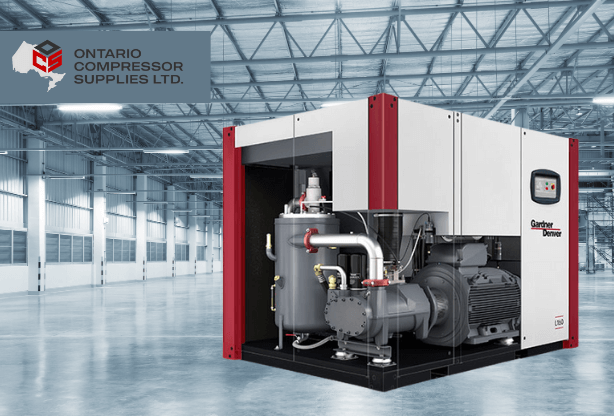
A rotary screw air compressor is one of the most common types of air compressors used in modern industry. It is known for delivering continuous compressed air, running efficiently under heavy workloads, and operating reliably for long hours without frequent stops.
Because of these advantages, rotary screw air compressors are widely used in manufacturing plants, automotive shops, food processing facilities, warehouses, and HVAC systems.
In this guide, we’ll cover what a rotary screw air compressor is, how it works step by step, what happens inside the machine during operation, and why many businesses choose this technology over other compressor types. We’ll also look at the main components, oil-injected operation, and the advantages of rotary screw air compressors in real-world industrial use.
A rotary screw air compressor is a positive displacement compressor that uses two rotating screw-shaped rotors to compress air. These rotors mesh together inside a sealed housing called the air end.
As the screws rotate, air is drawn in, trapped between the rotors, and gradually compressed as the space between them gets smaller. This process happens continuously, allowing the compressor to deliver a steady flow of compressed air.
Unlike piston compressors, which move up and down and create pressure pulses, a rotary screw air compressor produces smooth, consistent airflow. This makes it ideal for facilities that need compressed air all day, every day.
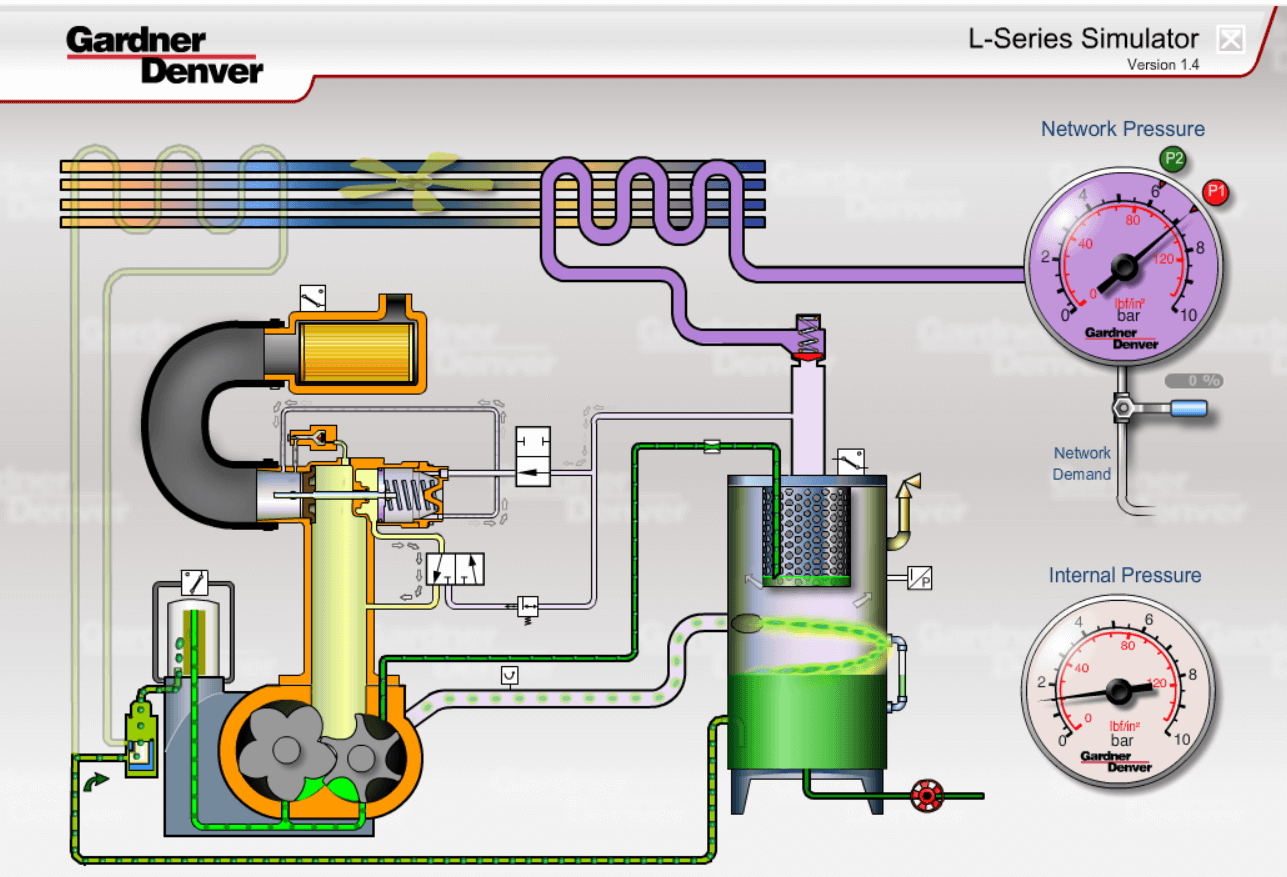
Understanding the rotary screw compressor working principle becomes much easier when you look at the process step by step.
Air from the surrounding environment enters the compressor through an intake filter and inlet valve. The filter removes dust and debris, while the inlet valve controls how much air enters based on system demand.
Once inside the air end, the air becomes trapped between the two rotating screw rotors. As the rotors turn, the trapped air is carried forward and compressed as the available space decreases. Pressure rises smoothly and steadily, without sudden spikes.
Because this compression process is continuous, rotary screw compressors are well suited for 24/7 industrial operation.
After compression, the air and oil mixture flows into a separator vessel. Inside the separator, oil is removed from the compressed air and returned to the system for reuse. The compressed air continues onward with only a minimal amount of residual oil.
Before reaching the plant air system, the compressed air passes through an aftercooler. Cooling the air improves air quality, protects downstream equipment, and increases overall system efficiency.
In an oil-injected rotary screw air compressor, oil is injected directly into the compression chamber. This oil plays several important roles:
Knowing the rotary screw compressor components helps operators understand how the system works and identify issues early.
Key components include:
Ontario Compressors services and repairs all major rotary screw compressor components across a wide range of industrial brands.
What is a rotary screw air compressor used for?
It is used in industrial and commercial facilities that require continuous, reliable compressed air.
How does a rotary screw air compressor work?
It compresses air using two rotating screw rotors that steadily reduce air volume and increase pressure.
Can a rotary screw compressor run 24/7?
Yes. These compressors are designed for continuous industrial duty.
How long does a rotary screw compressor last?
With proper maintenance, the air end can last between 40,000 and 80,000 hours or more.
Are rotary screw air compressors energy efficient?
Yes, especially when paired with variable speed drives, they can significantly reduce energy consumption.
Introduction Moisture is one of the most underestimated problems in...
Read MoreA Simple Industrial Guide A rotary screw air compressor is...
Read MoreIntroduction Moisture is one of the most underestimated problems in...
Read MoreA Simple Industrial Guide A rotary screw air compressor is...
Read More
Get expert advice, high-quality compressor solutions, and reliable support tailored to your needs.
Contact us and one of our specialists will get back to you promptly!”
 Optimized by Seraphinite Accelerator