

 Skip to content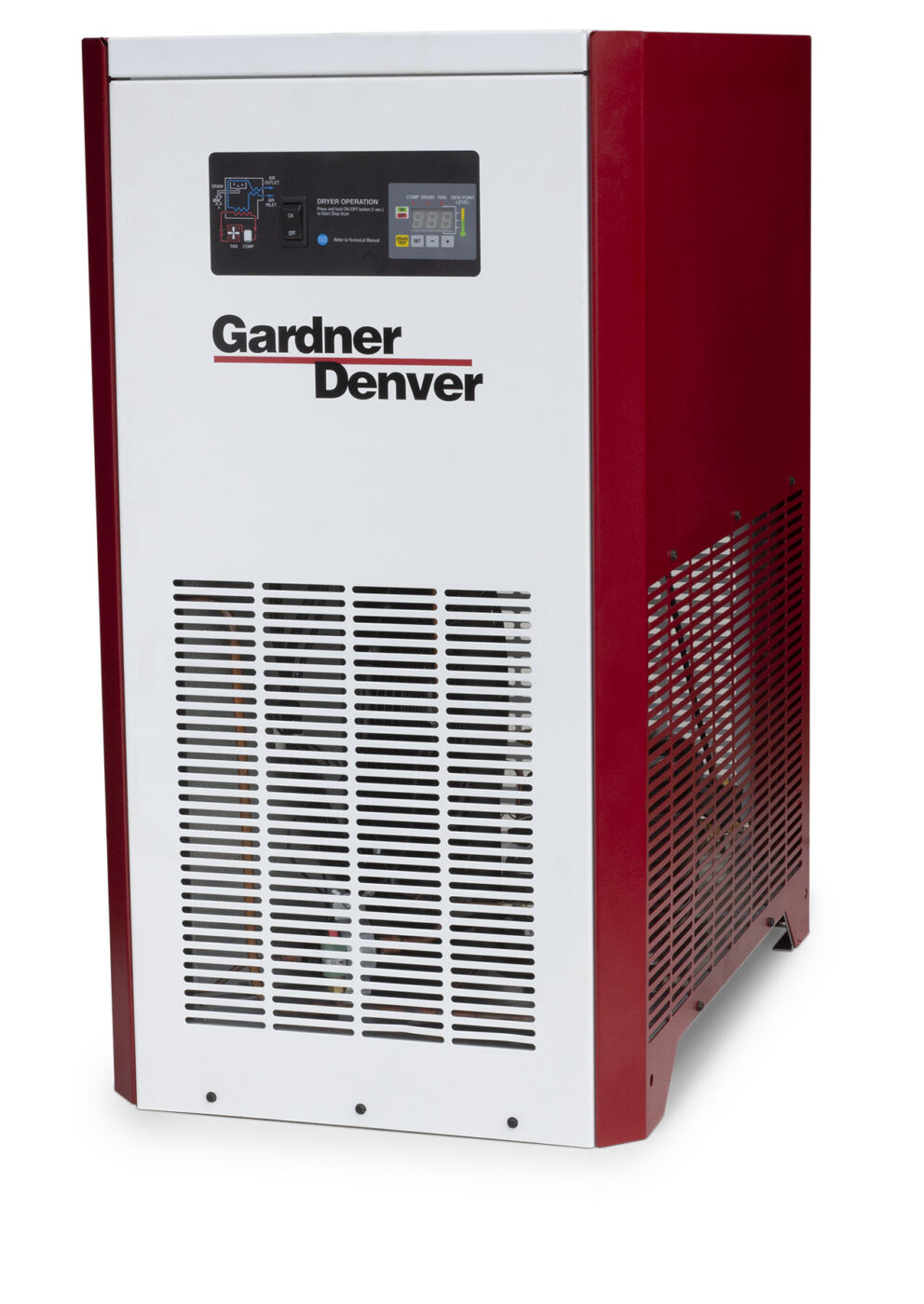
Pressure:
Flow:
Motor power:

Pressure:
Flow:
Motor power:

Pressure:
Flow:
Motor power:
Pressure:
Flow:
Motor power:

Pressure:
Flow:
Motor power:
In industrial applications, managing moisture in compressed air systems is crucial. Moisture can lead to corrosion, contamination, and inefficiency in your equipment. This is where air dryers come into play. Air dryers remove excess moisture from compressed air to ensure smooth operations and protect your machinery from damage. At Ontario Compressor Supplies, we offer a variety of industrial air dryers tailored to meet your specific needs. In this article, we’ll explore the importance of air dryers, different types available, and how to choose the right one for your application.
Excess moisture in compressed air systems can lead to several problems, such as:
Corrosion of pipes and machinery: Water vapor can cause metal parts to rust, reducing the lifespan of your equipment.
Contamination of products: Moisture can contaminate the products you manufacture, leading to quality issues.
Energy inefficiency: Wet compressed air can reduce the efficiency of your system, leading to higher energy costs.
To prevent these issues, installing a high-quality air dryer is essential. Air dryers maintain the dryness of compressed air, ensuring your system runs efficiently and your equipment stays protected.
There are several types of air dryers, each designed for specific applications and needs. Here are the most common types:
Refrigerated air dryers are the most commonly used in industrial settings. They operate by cooling compressed air to a temperature where water vapor condenses into liquid and is then removed. This type of air dryer is cost-effective and ideal for general-purpose applications.
These dryers are efficient, easy to maintain, and suitable for many applications requiring moderate moisture control.
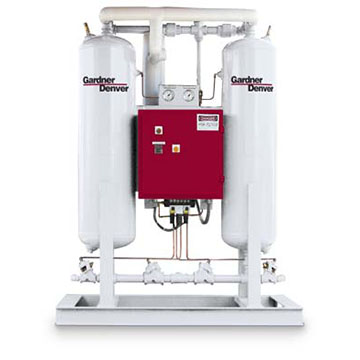
Desiccant dryers utilize a drying agent (desiccant material) to absorb moisture from the compressed air. These dryers are ideal for applications that require very dry air or operate in cold environments where refrigerated dryers may not be effective.
Desiccant dryers offer superior performance in extreme conditions, making them perfect for industries like pharmaceuticals, food processing, and electronics manufacturing.
Blower purge dryers combine desiccant drying with blower-powered regeneration to reduce energy consumption. These dryers offer a highly efficient solution for applications requiring continuous operation with minimal energy use.
Ideal for industries looking to reduce their environmental impact and lower energy costs while maintaining efficient moisture control.
Selecting the right air dryer depends on several factors:
Air flow rate: Determine how much compressed air your system uses to ensure you select a dryer with the appropriate capacity.
Dryness level: Consider how dry the air needs to be for your application. For applications requiring very dry air, desiccant dryers are often the best choice.
Operating conditions: Factors such as temperature and humidity can influence the type of air dryer required. Desiccant dryers perform better in colder conditions compared to refrigerated dryers.
Energy efficiency: If energy efficiency is a priority, consider a blower purge or heatless desiccant dryer.
By understanding your system’s needs and matching them with the right air dryer, you can ensure optimal performance and long-term reliability.
Investing in the right air dryer offers several benefits:
Enhanced equipment life: Air dryers prevent moisture buildup, which can lead to rust and corrosion in machinery.
Improved air quality: Clean, dry compressed air prevents contamination in sensitive processes and products.
Lower maintenance costs: By removing moisture, air dryers reduce the need for repairs and maintenance caused by corrosion or clogging.
Energy efficiency: Efficient dryers reduce energy consumption, which can lead to lower operational costs.
Air dryers are vital components of any industrial compressed air system. By removing moisture, they protect your equipment, improve air quality, and boost efficiency. Whether you need a refrigerated air dryer for general use or a desiccant dryer for more demanding applications, Ontario Compressor Supplies offers a wide selection of dryers to meet your needs.
If you’re unsure which type of air dryer is best for your system, our team of experts is here to help. Contact us today for more information or to discuss your specific requirements
An industrial compressed air dryer removes moisture from compressed air systems to prevent corrosion, contamination, and equipment damage. By delivering clean, dry air, it protects machinery, improves product quality, and ensures efficient operation in industrial facilities across Ontario.
Moisture in compressed air systems can cause rust in pipes, damage pneumatic equipment, contaminate products, and reduce overall system efficiency. In colder environments, moisture can freeze and block air lines, leading to downtime and costly operational disruptions.
A refrigerated air dryer cools compressed air to remove condensed moisture, making it ideal for general industrial applications. A desiccant air dryer uses a drying material to remove very low moisture levels and is used in applications requiring extremely dry air, such as food processing, pharmaceuticals, and electronics manufacturing.
Choosing the right industrial air dryer depends on airflow (CFM), pressure requirements, operating conditions, and the level of dryness needed. Refrigerated dryers are suitable for general use, while desiccant dryers are best for sensitive applications requiring very dry air. Proper sizing helps avoid energy waste and ensures long-term system reliability.
Yes, an industrial air dryer reduces maintenance and downtime by removing moisture from compressed air systems. This prevents corrosion, clogged lines, and premature equipment wear, resulting in fewer breakdowns, lower maintenance costs, and improved system reliability.
Yes, industrial air dryers require regular maintenance to ensure reliable performance. This includes drain checks, filter replacements, condenser cleaning for refrigerated dryers, and desiccant servicing for desiccant dryers. Routine maintenance helps maintain energy efficiency and extend equipment lifespan.
The size of an industrial air dryer depends on your system’s airflow (CFM), operating pressure, and required dew point. Selecting the correct size ensures effective moisture removal, prevents pressure drops, and maintains consistent performance under varying demand conditions.
Yes, modern industrial air dryers are designed for energy efficiency, especially cycling refrigerated dryers and blower purge desiccant dryers. When properly selected and maintained, they help reduce energy consumption and lower operating costs in compressed air systems.
The cost of an industrial air dryer varies based on type, capacity (CFM), pressure rating, and required dryness level. Refrigerated dryers are typically more cost-effective, while desiccant dryers have higher upfront costs but are necessary for applications requiring extremely dry air.
Compressed air dryers are widely used in industries such as manufacturing, automotive, food processing, pharmaceuticals, electronics, and packaging. Across Ontario, these industries rely on clean, dry compressed air to protect equipment, maintain product quality, and ensure efficient operations.

Get expert advice, high-quality compressor solutions, and reliable support tailored to your needs.
Contact us and one of our specialists will get back to you promptly!”
 Optimized by Seraphinite Accelerator