

 Skip to content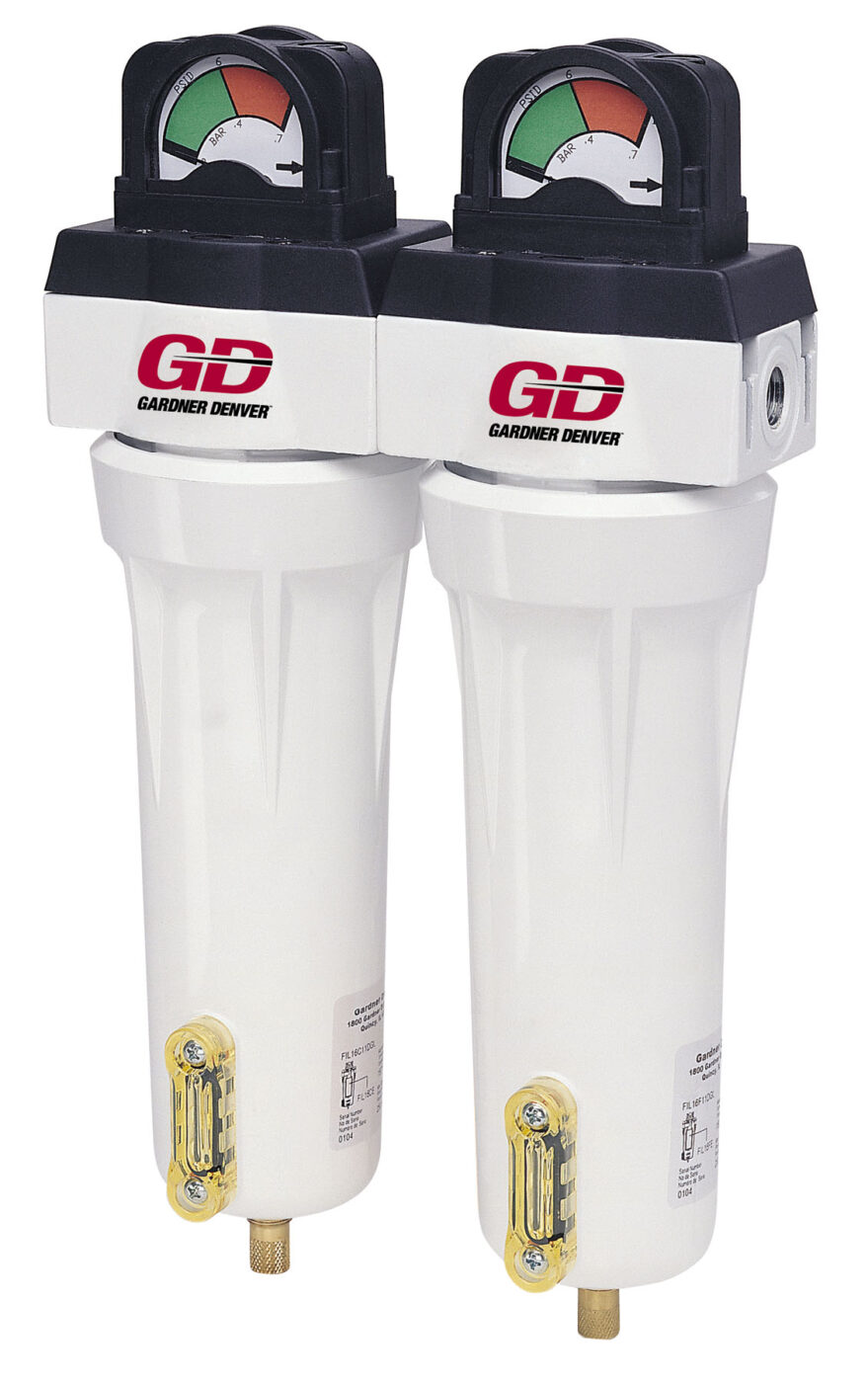
Pressure:
Flow:
Motor power:
Pressure:
Flow:
Motor power:

Pressure:
Flow:
Motor power:

Pressure:
Flow:
Motor power:
Pressure:
Flow:
Motor power:

Pressure:
Flow:
Motor power:
Air treatment is a critical part of any compressed air system because compressed air naturally carries contaminants that can damage equipment and create quality problems. As compressed air cools in the system, it releases moisture. It can also carry particulate (dust, rust, pipe scale) and, in oil-lubricated systems, oil aerosol and vapor. Without the right treatment, those contaminants end up in tools, valves, instrumentation, paint lines, product-contact processes, and production equipment—creating downtime, rework, and unnecessary maintenance.
Ontario Compressor Supplies provides industrial air treatment solutions designed to deliver cleaner, drier compressed air and protect system reliability over time. Our air treatment lineup includes inline filtration, condensate drains, and condensate management products, helping facilities maintain air quality and prevent water carryover across real-world operating conditions.
Whether you are upgrading an existing system or building a new compressed air installation, we help decision-makers select the right air treatment approach based on airflow demand, pressure, duty cycle, and the quality level your operation requires. For service support, troubleshooting, and replacement components, our team also supports parts and maintenance planning and can coordinate a complete system review through our contact page.
Based on the products shown in this category, the air treatment selection includes:
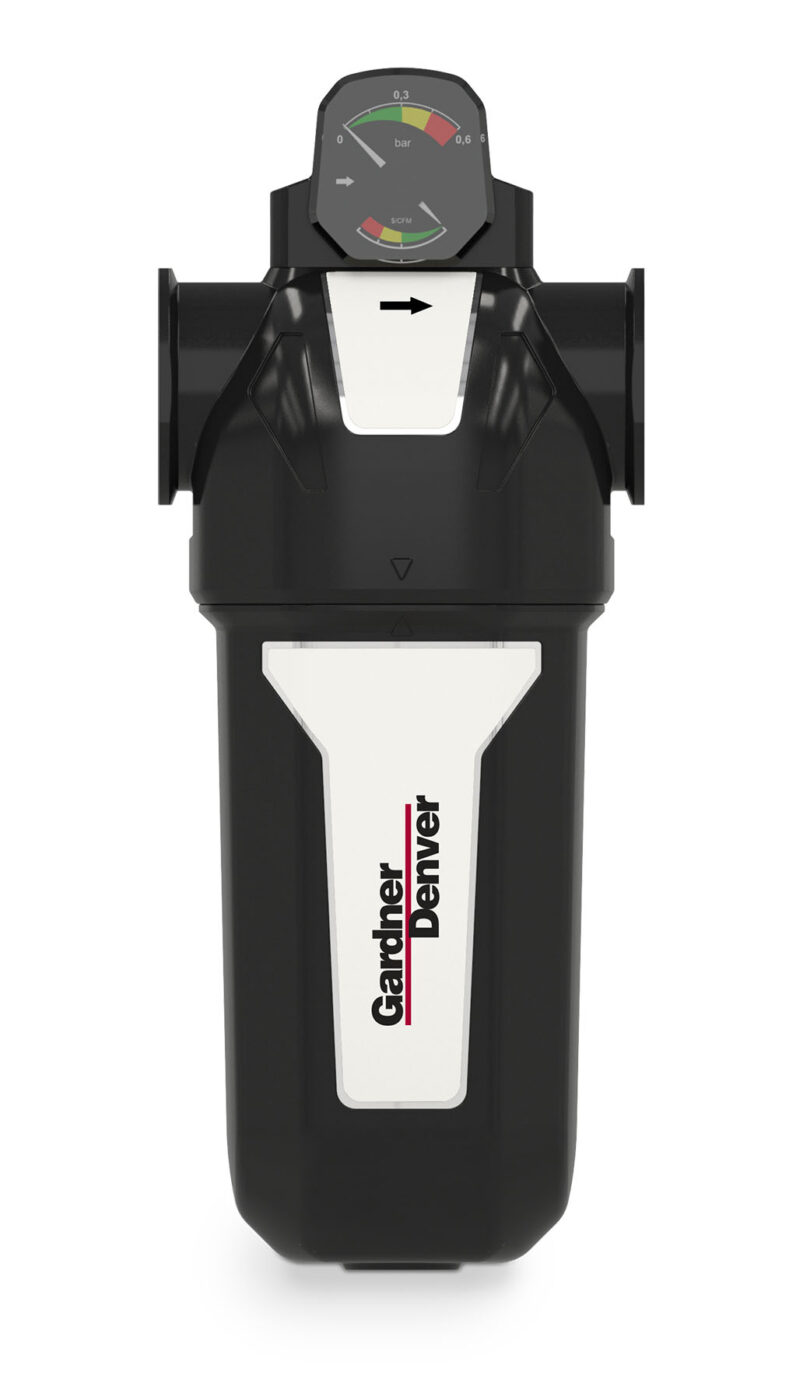
FIL Series Air Compressor Filters (inline filtration)
XG Series Air Compressor Filters (inline filtration)
Timed Electric Drains (automatic condensate removal)
Mechanical Drains (condensate removal without electrical power)
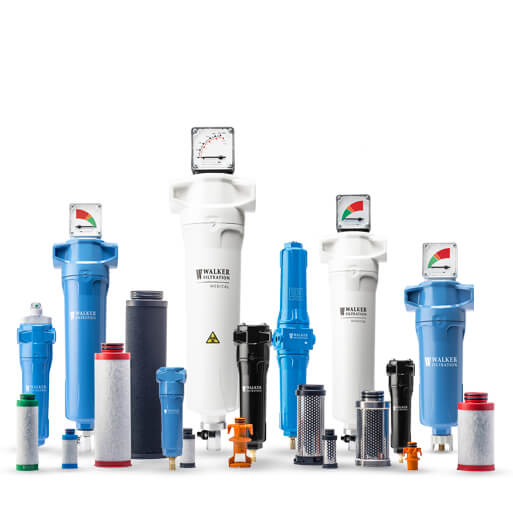
Compressed Air Filters (Walker Filtration)
Sepremium Oil/Water Separator (condensate separation for disposal management)
Air Receivers (Air Tanks) (storage and moisture drop-out to stabilize pressure and improve condensate removal)
These components work together to address the most common causes of air quality issues: moisture, particulate, condensate handling, and pressure stability.
Compressed Air Filtration
Filters remove particulate and other contaminants that can damage tools, reduce product quality, or clog downstream equipment. Proper filtration also helps keep pipelines and air users cleaner over time. A practical filtration plan often includes staged protection (for example, general particulate control plus finer filtration where needed), based on the sensitivity of the application.
FIL Series and XG Series filter options, as well as Walker Filtration solutions, support improved air quality and reduced contamination risk in industrial installations.
Condensate Management (Drains)
As air cools in tanks, dryers, and piping, water collects. If it isn’t removed consistently, it travels downstream as liquid carryover. Automatic drains reduce manual maintenance and lower the risk of water accumulation in tanks and filters.
Timed Electric Drains provide scheduled condensate removal without relying on manual draining. Mechanical Drains provide a reliable moisture removal option without electrical power, which can be a practical choice in some environments.
Condensate Disposal (Oil/Water Separation)
In many compressor rooms, condensate must be managed responsibly. Even when the water looks clean, condensate from compressed air systems can contain trace oil or contaminants depending on the compressor type and system conditions. Oil/water separators are designed to help manage condensate handling and support cleaner condensate disposal workflows.
The Sepremium Oil/Water Separator shown in this category is designed for condensate separation and condensate management support.
Air receivers are an important part of many air treatment setups because they improve system stability and help manage moisture. By adding storage and giving compressed air time to cool, receiver tanks support more consistent pressure and help reduce water carryover into the plant.
Air receivers help compressed air systems by:
Adding storage to handle short demand spikes
Reducing compressor cycling in intermittent-demand environments
Stabilizing system pressure so tools and processes run more consistently
Improving moisture separation by allowing hot air to cool so water can drop out
Creating a practical location for drains and condensate removal
In real installations, the receiver tank often becomes the first major “moisture drop-out” point after compression. When paired with proper drains and filtration, it helps keep water from traveling downstream.
From a leadership perspective, air treatment protects uptime and reduces cost across the entire system:
Reduced downtime caused by moisture-related failures and contamination
Longer tool life and fewer pneumatic component issues
Better process consistency (especially in finishing, instrumentation, and sensitive production steps)
Lower risk of corrosion and line contamination over time
Improved maintenance planning and fewer “emergency” service events
Better long-term performance from compressors, receivers, and downstream equipment
Air treatment is one of the most practical investments in system reliability because it prevents problems that are expensive to fix after they occur.
Air treatment is the equipment used to remove moisture, particulate, and other contaminants from compressed air. It helps protect tools, equipment, and processes while improving system reliability.
In many cases, yes. A compressor can run normally while the system still carries moisture and contamination downstream. Air treatment is often what prevents corrosion, tool wear, and quality issues over time.
A receiver helps with storage and moisture drop-out, but it does not replace filtration or moisture control. Many systems still require filters, drains, and (where needed) additional moisture control equipment to protect end-use equipment and processes.
In many cases, yes. Moisture collects naturally as compressed air cools. Without consistent draining, water can build up in tanks and piping and carry downstream, causing corrosion and performance problems. Timed electric and mechanical drain options can reduce manual maintenance and help prevent water carryover.
An oil/water separator is used to help separate condensate so it can be managed more effectively for disposal workflows. It supports cleaner condensate handling and helps reduce issues related to condensate management.
Selection depends on airflow demand, operating pressure, duty cycle, the sensitivity of your application, and the current problems you are seeing (water carryover, contamination, corrosion, tool issues). Ontario Compressor Supplies can help evaluate your system and recommend a practical air treatment plan, including filtration, drains, and air receiver sizing.

Get expert advice, high-quality compressor solutions, and reliable support tailored to your needs.
Contact us and one of our specialists will get back to you promptly!”
 Optimized by Seraphinite Accelerator